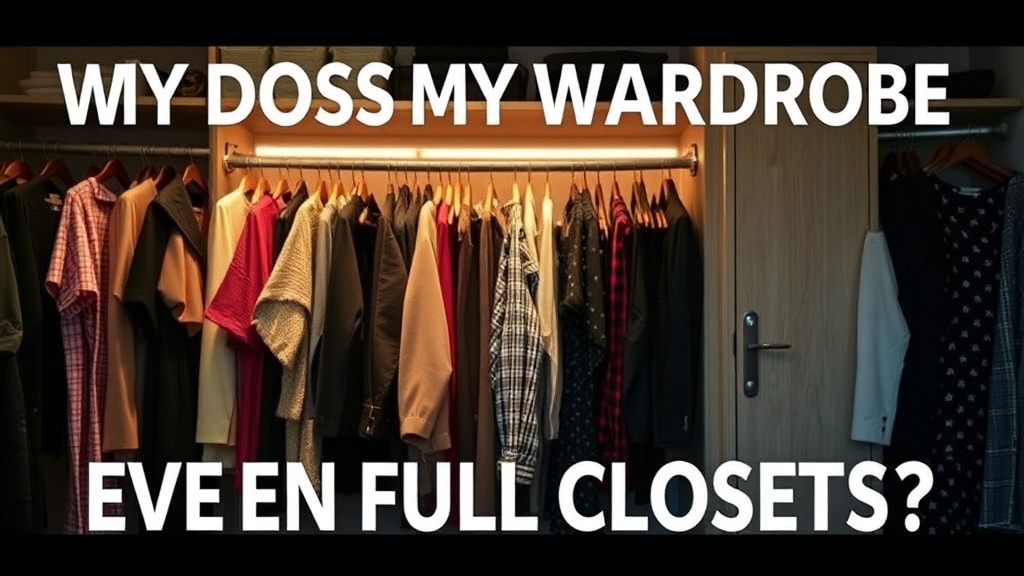
Why Does My Wardrobe Feel Boring Even With Full Closets?

Why do I feel like I have nothing to wear?
Have you ever stood in front of a closet full of clothes—clothes you spent hard-earned money on—and felt a sense of total emptiness? It is a frustrating sensation. You see the colorful blouses, the structured blazers, and the denim, yet nothing feels "right." This usually happens because a wardrobe lacks a cohesive internal logic. Instead of a collection of pieces that work together, you likely have a collection of individual items that don't speak the same language. This post explores why your current selection feels stagnant and how to introduce variety through styling rather than just buying more stuff.
The disconnect often stems from a lack of intentionality. When we shop, we tend to buy for a specific "fantasy self"—the person who goes to brunch every Sunday or the version of us that attends gala events. But when we get home, our actual life involves running errands, working from home, or grabbing coffee in Nashville. If your clothes don't serve your actual lifestyle, they sit there, unused and lonely. To fix this, we need to look at how we combine what we already own.
How can I add variety without buying new clothes?
The most effective way to breathe life into a stagnant closet is through the art of the "wrong shoe theory" or unexpected pairings. If you always wear a floral dress with sandals, try adding a structured combat boot or a sleek loafer. This small shift changes the entire vibe of the outfit. It moves the look from "sweet and casual" to "edgy and intentional." Small adjustments in footwear or accessories can transform a basic outfit into something that feels fresh.
Another way to mix things up is by playing with proportions. If you love oversized knits, try pairing them with a slimmer silhouette on the bottom, like a straight-leg jean or a silk midi skirt. If your pants are wide-leg and voluminous, pair them with a more fitted top. This balance keeps the eye moving and prevents your silhouette from looking one-dimensional. You can find plenty of inspiration for these proportions on high-fashion sites like Vogue, where the emphasis is often on the silhouette rather than just the garment itself.
Can color palettes make an outfit look more expensive?
Color is a powerful tool, but it can also be intimidating. Many people stick to neutrals—black, beige, navy, and white—because it feels safe. While neutrals are the backbone of a functional wardrobe, relying on them exclusively can lead to that "bor none-descript" feeling. You don't need to wear neon to standigate. Instead, try monochromatic looks in varying textures. A cream silk skirt paired with a chunky cream wool sweater looks much more sophisticated than a random assortment of colors.
If you want to experiment with color, try the "sandwich method." This involves matching your top to your shoes, while keeping the middle part of your outfit a different color or pattern. This creates a visual sense of order that makes even a daring color choice feel intentional. For those interested in the psychology of color and how it affects perception, resources like Fashionata often discuss how different hues can influence how we are perceived in professional and social settings.
Texture is the secret weapon of the well-dressed. A flat, cotton outfit can look a bit uninspired, but adding a leather belt, a suede jacket, or a silk scarf adds depth. When you mix textures, you create visual interest without needing loud prints or bright colors. Think about the way light hits a satin slip dress versus a matte linen shirt. That contrast is what makes an outfit look "expensive" and thoughtfully curated.
Let's look at a quick cheat sheet for texture mixing:
- Casual Look: Denim + Cotton + Leather (a leather belt or boot)
- Polished Look: Silk + Wool + Suede
- Edgy Look:: Sequins + Denim + Graphic Tee
Ultimately, the goal isn't to have a never-ending stream of new arrivals. It's about learning to see the potential in what you already own. A truly great wardrobe isn't a collection of things; it's a collection of possibilities. When you start viewing your clothes as components of a larger puzzle, the "nothing to wear" feeling begins to fade. You stop looking for a new shirt and start looking for a new way to wear the shirt you already love.