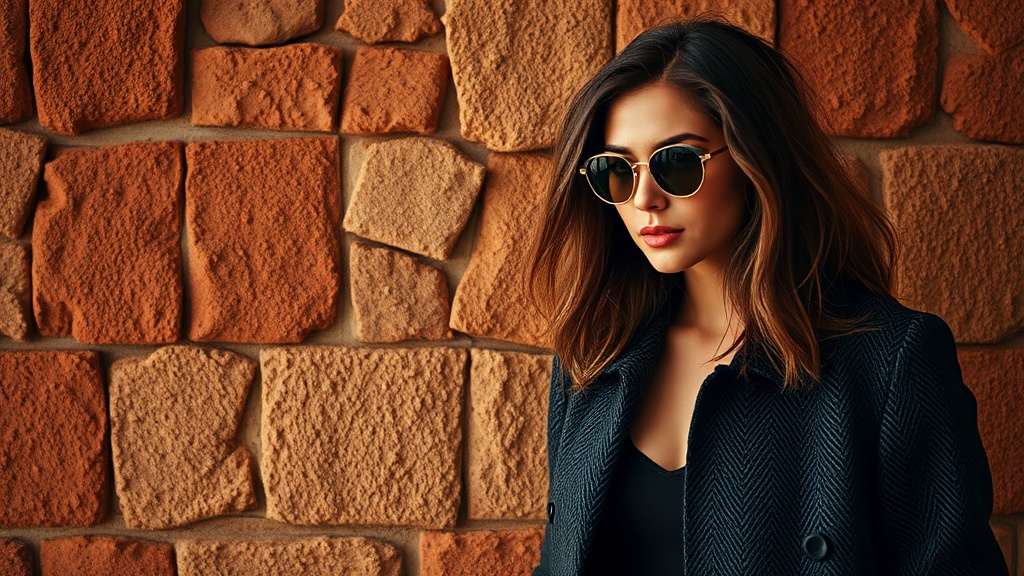
Mix Textures to Create Visual Depth in Your Outfits

You'll learn how to combine different fabric weights, finishes, and tactile surfaces to add dimension to your daily outfits. Mixing textures prevents monochromatic or single-material looks from appearing flat or boring. This technique turns a simple outfit into a curated ensemble by playing with light and shadow.
Why Should I Mix Textures in My Outfits?
Mixing textures adds visual interest and depth to your clothing by creating contrast between smooth, rough, shiny, and matte surfaces. When you wear a single texture from head to toe—like a cotton tee and cotton chinos—the outfit lacks a focal point. By introducing a different material, you create a sense of intentionality. It's the difference between looking like you just threw something on and looking like you actually styled a look.
Think about the way light hits different surfaces. A silk slip skirt reflects light, while a chunky wool sweater absorbs it. That interaction creates a natural "pop" without needing bright colors or loud patterns. It's a subtle way to look more sophisticated. Even a completely black outfit can look incredibly expensive if you mix a matte wool blazer with a satin camisole and leather boots.
Texture also helps with seasonal transitions. You might use heavier, tactile fabrics like corduroy or heavy denim in the fall, then swap them for lighter linens or silk in the summer. It's a practical way to keep your wardrobe feeling fresh. If you're still working on the basics, you might want to check out my guide on building a timeless capsule wardrobe to ensure your base pieces are high quality.
How Do I Mix Different Fabric Textures Successfully?
The most effective way to mix textures is to pair one "heavy" or highly tactile fabric with one "smooth" or lightweight fabric. This creates a balanced tension in your silhouette. You don't want two extreme textures fighting for attention; instead, you want them to complement one another.
Here are four foolproof combinations to try:
- The Rough and the Smooth: Pair a rugged, oversized Patagonia fleece or a heavy denim jacket with a delicate silk midi skirt. The grit of the fleece makes the silk look even more luxurious.
- The Matte and the Shine: Combine a matte cotton oversized button-down with a leather skirt or high-shine satin trousers. The light reflection from the satin provides a break from the flat surface of the cotton.
- The Chunky and the Lightweight: Layer a heavy cable-knit sweater over a thin, lightweight linen slip dress. This is perfect for those awkward "in-between" weather days.
- The Structured and the Soft: Pair a stiff, structured wool blazer with a soft, draping jersey tee or a cashmere turtleneck.
A good rule of thumb is to look at your outfit in a mirror and ask: "Does everything feel the same?" If the answer is yes, you're likely missing a textural element. You might need a belt with a suede finish or a bag with a pebbled leather texture to break up the smoothness of a wool coat.
It's also worth noting that texture can be used to hide or emphasize certain areas. A thicker, textured fabric like corduroy can add volume, while a smooth, draping fabric like silk can lean into a more streamlined silhouette. Use this to your advantage when you want to play with proportions.
Texture Comparison Guide
Understanding the "vibe" of a fabric helps you decide how to pair it. Use this table as a quick reference when getting dressed.
| Fabric Type | Visual Effect | Best Paired With |
|---|---|---|
| Silk/Satin | High Shine, Fluid | Matte Wool or Heavy Denim |
| Leather/Vegan Leather | Edgy, Reflective | Soft Knits or Cotton Jersey |
| Denim/Corduroy | Rugged, Structured | Silk or Fine Knits |
| Wool/Cashmere | Cozy, Matte | Satin or Smooth Silk |
| Linen | Natural, Grainy | Smooth Cotton or Lightweight Silk |
What Are the Best Materials for Long-Term Style?
Natural fibers like cotton, silk, wool, and linen are the best materials for long-term style because they possess inherent textural depth and durability. Synthetic fabrics often look "flat" or "plastic-y" under artificial light, which can make an outfit look cheap. When you invest in high-quality natural fibers, you're investing in the way the fabric drapes and ages.
For example, a 100% wool sweater from a brand like Ralph Lauren will have a much richer, more dimensional texture than a polyester blend. The way the wool fibers interact with light is what creates that "expensive" look. Similarly, real silk has a multidimensional sheen that synthetic satin can't quite replicate. It's a small detail, but it's one that people notice.
If you're looking to build a wardrobe that actually lasts, you should focus on spotting durable pieces that last. This means looking at the composition tags. A blend of silk and wool is a fantastic way to get the benefits of both—the sheen of the silk and the warmth of the wool. It's a textural win-win.
That said, don't be afraid of high-quality synthetics for specific functional needs. A technical fabric like the Gore-Tex used in high-end outerwear is designed to be a specific texture for a specific purpose (weatherproofing). In those cases, the texture serves a functional role, but for everyday fashion, natural fibers are your best friend.
Common Texture Mistakes to Avoid
- Too Much Shine: Wearing a sequined top, a satin skirt, and patent leather shoes all at once. This is too much "glare" and can look overwhelming.
- The "Flat" Outfit: Wearing all cotton or all jersey. This often results in a look that feels unfinished or like loungewear.
- Clashing Weights: Pairing a very heavy, bulky puffer jacket with a tiny, delicate lace top without a mid-layer. It can look unbalanced rather than intentional.
I often see people try to overcomplicate things by adding too many different textures at once. You don't need a fifth element. Usually, two or three distinct textures are plenty. If you're wearing a heavy wool coat, a silk blouse, and denim jeans, you've already hit the trifecta. Adding a velvet vest on top of that might just be overkill.
The goal is balance. If your top is very textured—think a chunky, oversized cable knit—keep your bottom half relatively smooth or structured. This prevents the outfit from looking messy. It's a bit like interior design; you want a room to have a velvet pillow, a wooden coffee table, and a linen sofa. They all share the space without fighting.
Texture is also a tool for color. A single color looks much more interesting when it's expressed through different textures. A navy blue outfit consisting of a navy wool blazer, a navy silk camisole, and navy denim looks incredibly intentional. The color stays the same, but the eye perceives different depths because of how the light hits the wool versus the silk. This is a great trick for anyone who loves monochromatic dressing.
If you're just starting out, try the "One Rule" method. Pick one standout texture—maybe it's a leather skirt—and then build the rest of the outfit using much more "quiet" textures like cotton or smooth jersey. Once you feel comfortable, you can start adding more adventurous combinations.
Steps
- 1
Contrast Smooth and Rough Surfaces
- 2
Layer Weighty Fabrics with Lightweight Silks
- 3
Use Monochromatic Colors to Highlight Texture