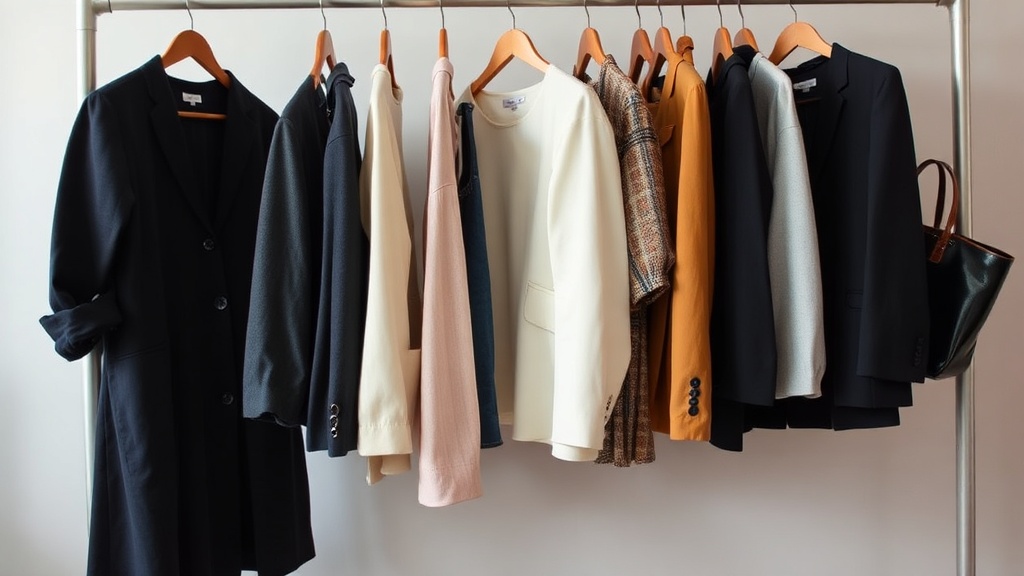
How to Build a Capsule Wardrobe with Quality Basics

Why a Minimalist Wardrobe Actually Increases Your Style Options
Research suggests that the average person only wears about 20% of their clothes in a given year. This means the vast majority of your closet is essentially dead weight—items that take up space but rarely see the light of day. Building a capsule wardrobe isn't about owning fewer things because you're a minimalist; it's about owning the right things so that every single piece works together. When you focus on a curated selection of high-quality basics, you stop the cycle of buying "one-off" items that don't match anything else you own. This approach saves time, reduces decision fatigue, and—most importantly—ensures you always look put together without even trying.
A successful capsule wardrobe relies on a foundation of versatile, high-quality pieces that can be mixed and matched through different seasons. Think of it as building a Lego set: if the base pieces are solid and compatible, you can build almost anything. If you start with pieces that are too trendy or too specific to a certain niche, you'll find yourself with a closet full of "orphans"—those single items that don't pair well with anything else. This method requires a bit of upfront work, but the payoff is a simplified morning routine and a much more intentional relationship with your clothes.
What are the best basic clothing pieces to start with?
Starting from scratch can feel overwhelming, so it's best to focus on the heavy lifters first. These are the items that form the backbone of an outfit. A crisp white button-down shirt, a pair of well-fitting straight-leg jeans, and a classic blazer are non-negotiable. You might also consider a high-quality silk slip skirt or a tailored wool coat for colder months. The goal is to select items that feel timeless rather than tied to a specific year's trend. For instance, a perfectly tailored trench coat will be just as relevant in five years as it is today, whereas a hyper-trendy neon sweater might feel dated by next season.
- The Perfect White Tee: Look for medium-weight cotton that isn't sheer.
- Tailored Trousers: A pair in navy or black can transition from the office to a dinner date easily.
- Denim: A mid-wash straight-leg jean is the most versatile option for almost any occasion.
- Knitwear: A cashmere sweater or a high-quality wool cardigan adds texture and warmth.
When selecting these pieces, pay close attention to fabric composition. Synthetic blends often pill or lose shape quickly, whereas natural fibers like cotton, linen, and wool tend to hold their structure much better over time. You can check the material details on sites like Vogue to understand what high-end standards look like for different textiles. Investing in a few high-quality pieces is far better than buying ten low-quality versions of the same shirt. You want pieces that can withstand multiple washes and still look pristine.
How do I mix and match colors without looking boring?
The fear of a capsule wardrobe is often the idea that it will become a sea of beige and gray. While neutrals are the foundation, you can inject personality through subtle color play. A good rule of thumb is the 70/30 rule: 70% of your wardrobe should consist of neutral colors (black, white, navy, camel, or gray) and 30% can be your personal color accents. This allows you to stay grounded in a cohesive aesthetic while still having room for that deep emerald blouse or the burnt orange sweater you love.
Texture is another way to prevent a neutral wardrobe from feeling flat. A silk blouse paired with denim creates a different visual interest than a cotton tee paired with a wool skirt. Even within a monochromatic outfit, varying the textures—like a chunky knit paired with a smooth satin skirt—adds depth and sophistication. If you want to see how color palettes work together in high fashion, browsing the archives at Harper's Bazaar can provide plenty of inspiration for sophisticated color combinations.
How often should I refresh my capsule collection?
A capsule wardrobe isn't a static thing; it should evolve with your life and the seasons. Instead of a massive seasonal overhaul, try a seasonal "edit." Every three months, look at what you actually wore. If you spent the entire spring wearing a specific linen skirt, perhaps you need another version in a different color. If you realized you never wear your heavy velvet blazers, it might be time to donate them or store them away. This keeps your closet functional and prevents clutter from accumulating.
The key is to be intentional about every new addition. Before buying something new, ask yourself: "Can I wear this with at least three other items I already own?" If the answer is no, it probably doesn't belong in your capsule. This mental check helps you maintain the integrity of your wardrobe. It’s much better to wait and save for that one perfect wool blazer than to impulsively buy three cheap ones that won't last a single season. By staying disciplined, you'll find that your wardrobe becomes a source of confidence rather than a source of stress.
| Item Type | What to Look For | Why It Matters |
|---|---|---|
| Tops | Natural fibers (Cotton, Silk, Linen) | Durability and breathability |
| Bottoms | Structured fit (Denim, Wool) | Creates a polished silhouette |
| Outerwear | Classic silhouettes (Trench, Overcoat) | Provides long-term versatility |
| Footable | High-quality leather or suede | Longevity and comfort |