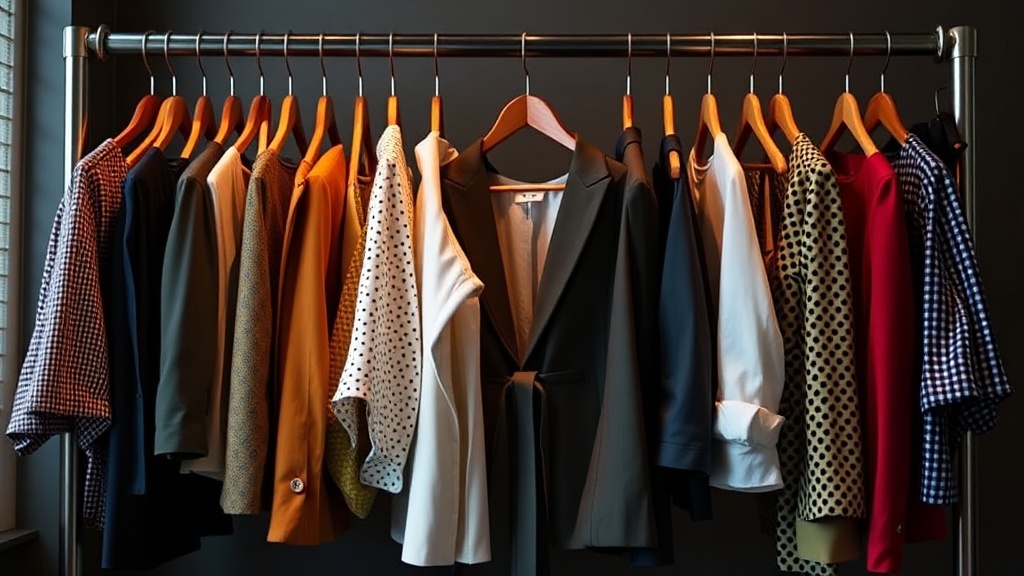
How to Build a Capsule Wardrobe That Actually Works (No Regret Buys)

You don’t need more clothes. You need better decisions. A capsule wardrobe isn’t about owning 12 beige items and pretending you love them—it’s about building a tight, functional lineup you actually wear on repeat without getting bored.
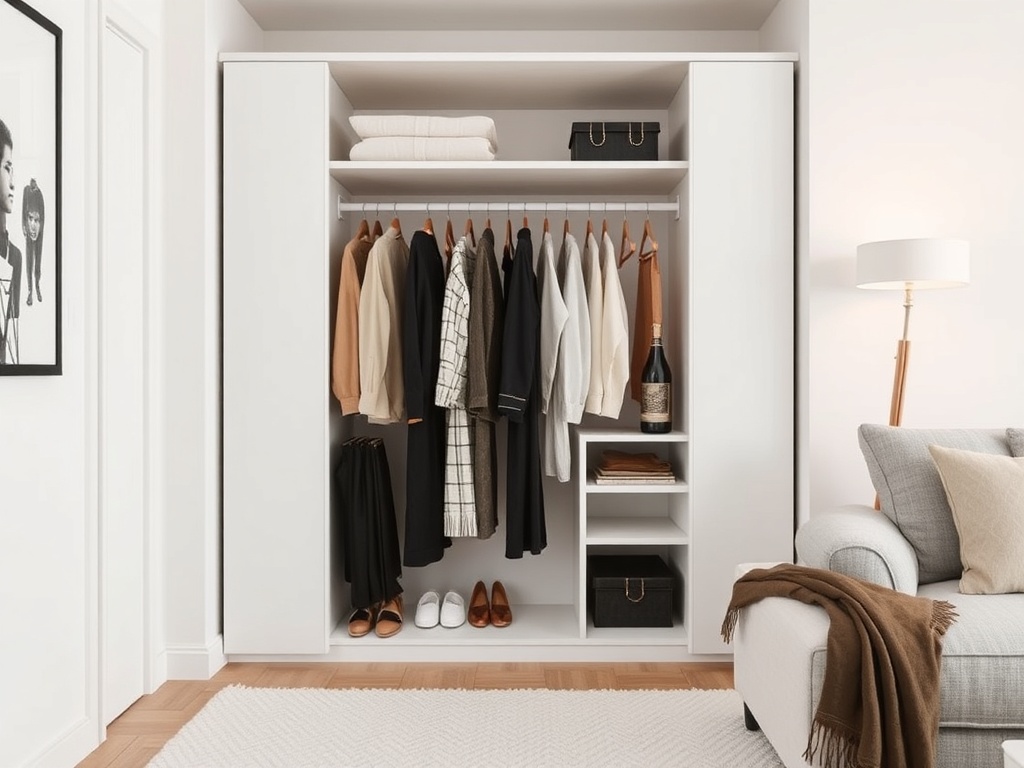
Step 1: Audit What You Already Own (Brutally)
Pull everything out. Yes, everything. If it lives in your closet, it’s part of the problem or the solution.
- Keep: Pieces you wear weekly without thinking
- Maybe: Items you like but don’t reach for
- Remove: Anything uncomfortable, outdated, or “almost works”
If you haven’t worn it in a year, it’s not a "maybe." It’s clutter with emotional baggage.
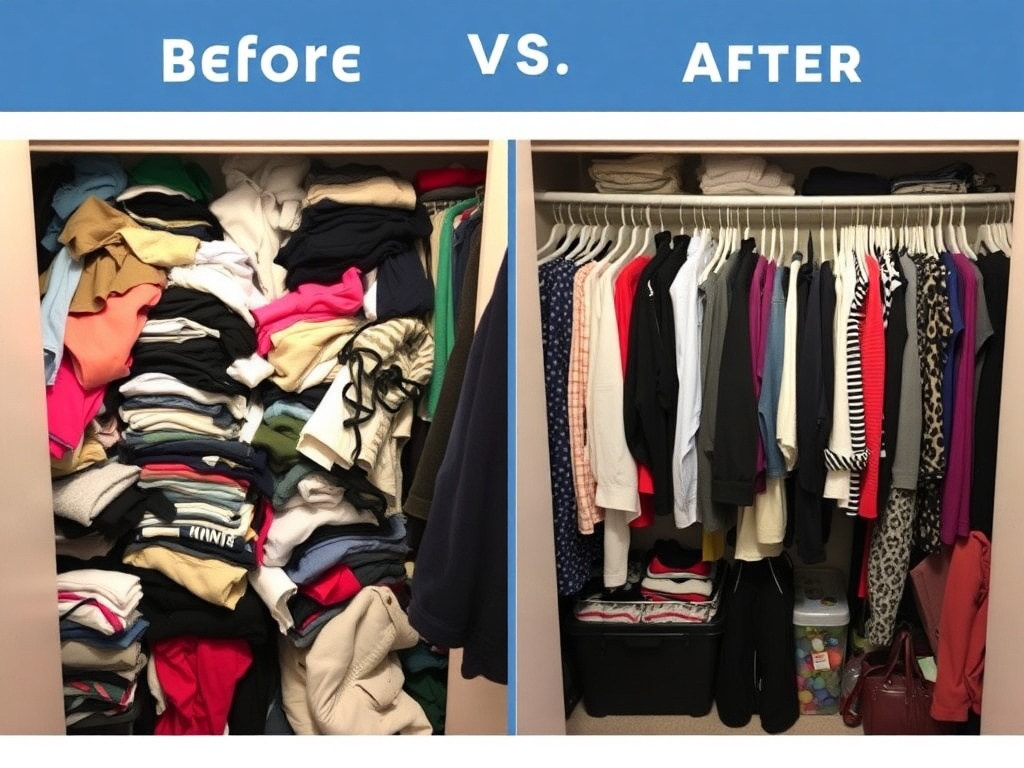
Step 2: Define Your Real Lifestyle (Not Your Fantasy One)
Most wardrobes fail because they’re built for a version of your life that doesn’t exist. You don’t need five blazers if you work remotely. You don’t need ten athleisure sets if you barely hit the gym.
Break your week into categories:
- Work
- Casual / errands
- Going out
- Special occasions
Then assign realistic percentages. Your wardrobe should reflect your actual time allocation, not aspirational Pinterest boards.

Step 3: Choose a Tight Color Palette
This is where most people either overcomplicate things or go painfully boring.
Stick to:
- 2–3 neutrals (black, white, beige, navy)
- 2 accent colors
Everything should mix without effort. If you have to “style hard” to make something work, it doesn’t belong.
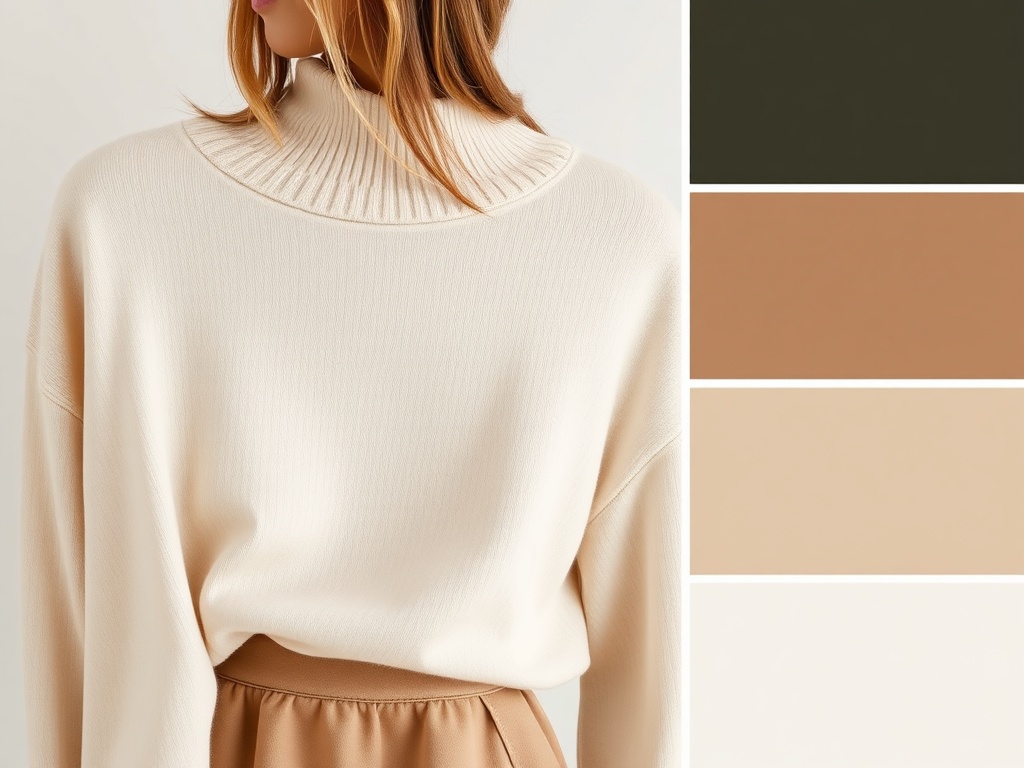
Step 4: Build Around Core Pieces
Your capsule lives or dies on its foundation. These are your repeat players:
- Perfect-fitting jeans
- Tailored trousers
- 2–3 high-quality tees
- One structured jacket
- A versatile dress or outfit anchor
- Layering pieces (knit, cardigan, overshirt)
Focus on fit over trends. If it doesn’t sit right on your body, it won’t get worn.
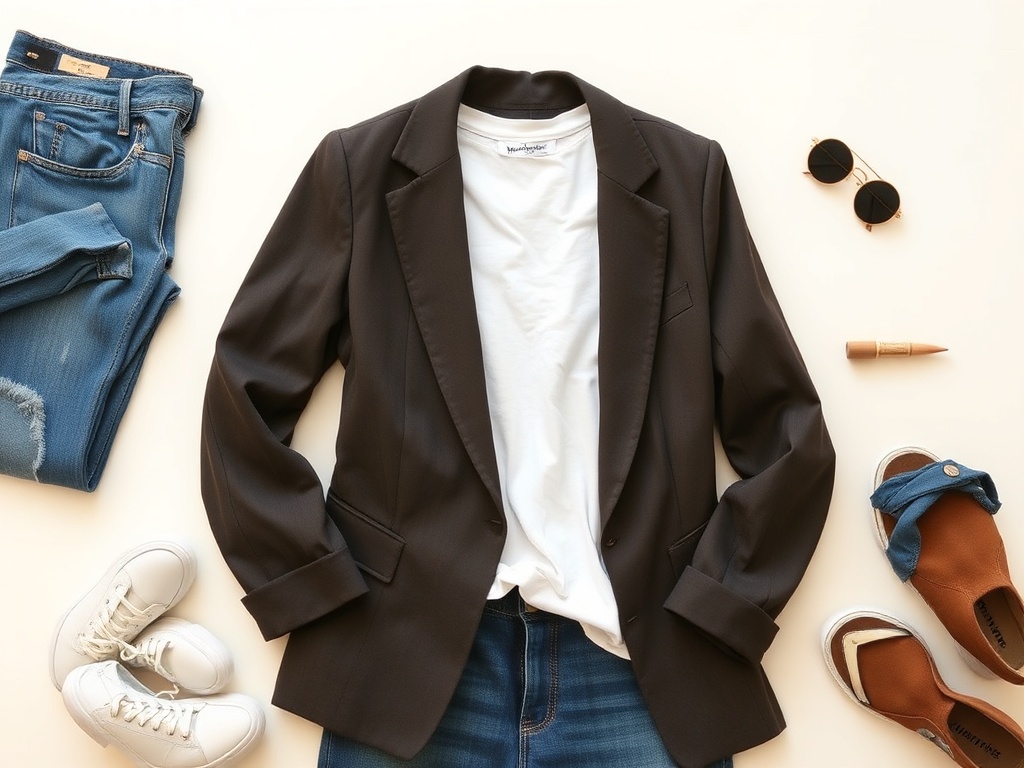
Step 5: Apply the “3 Outfit Rule” Before Buying Anything
If you can’t immediately style a new piece into at least three outfits using what you already own, don’t buy it.
This single rule kills impulse shopping faster than any budget ever will.
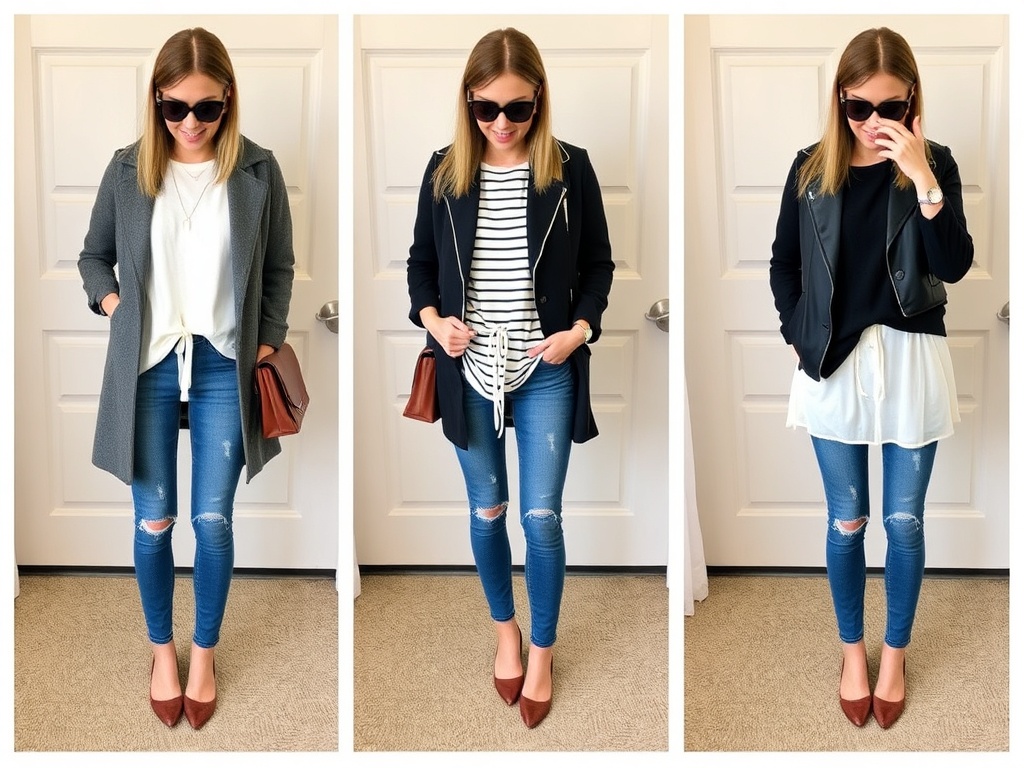
Step 6: Prioritize Fabric and Fit Over Price
A cheap item that fits perfectly will outperform an expensive one that doesn’t. But ideally, you want both: quality materials and great tailoring.
Pay attention to:
- Fabric composition
- Seam construction
- How it drapes on your body
Fast fashion is fine for trend testing, not for your foundation pieces.
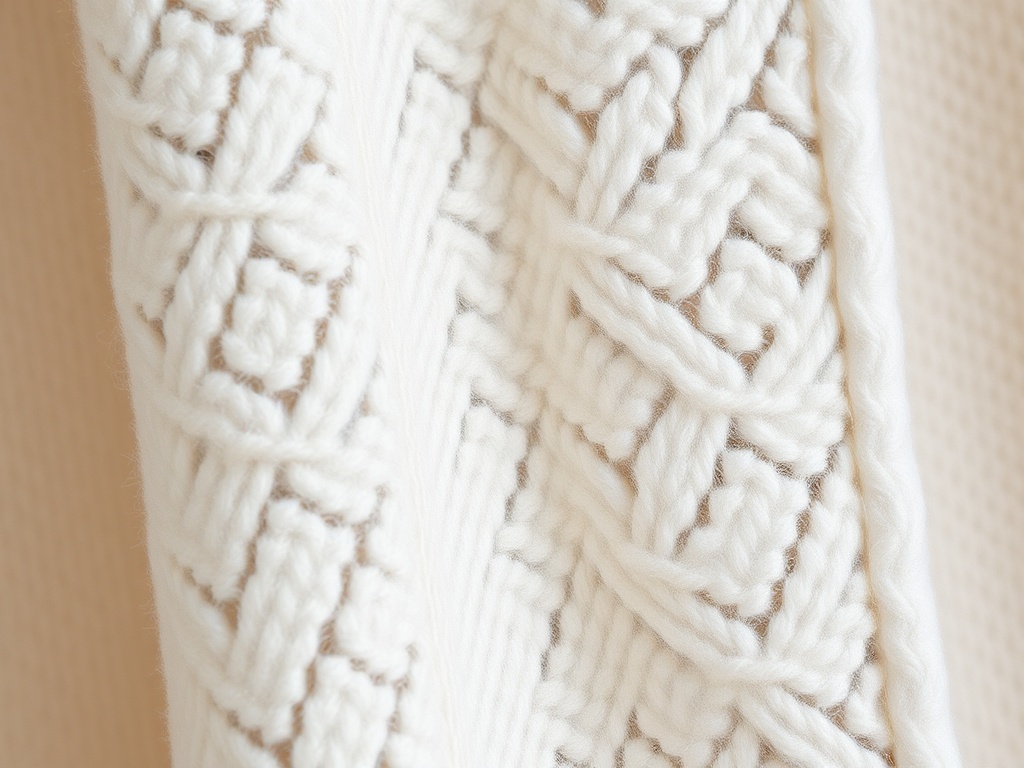
Step 7: Limit Statement Pieces (Yes, Limit Them)
Statement pieces are fun—but they’re also the reason most wardrobes feel chaotic.
Keep them to 10–20% of your wardrobe max. Everything else should support them.
If everything is a statement, nothing is.
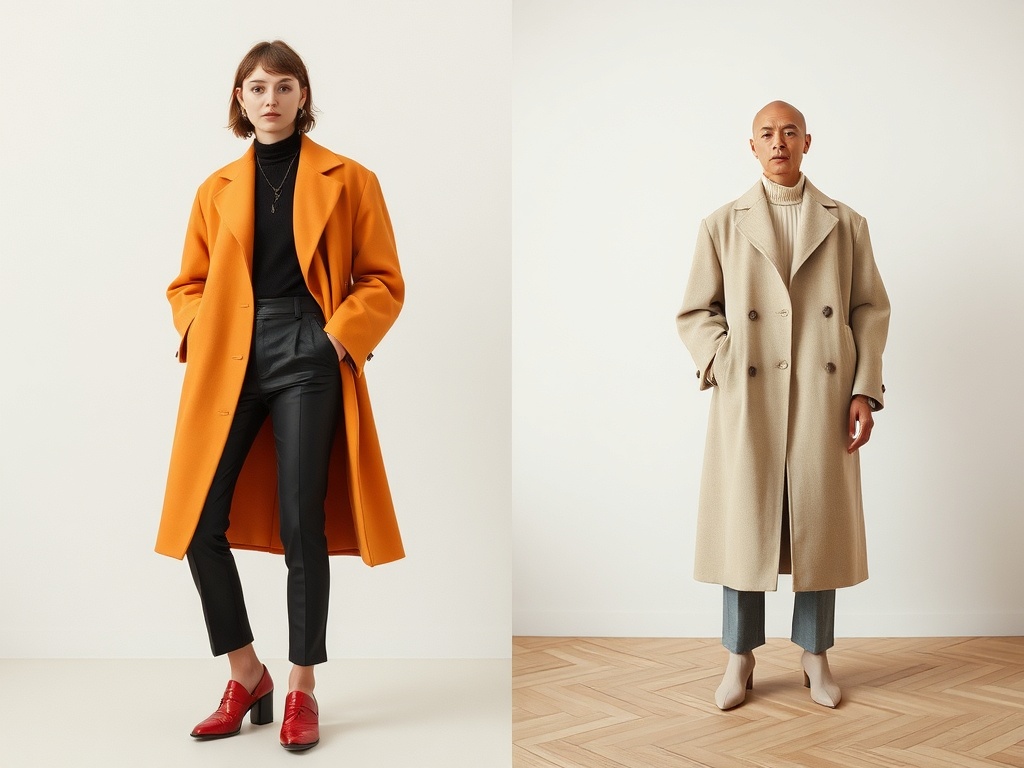
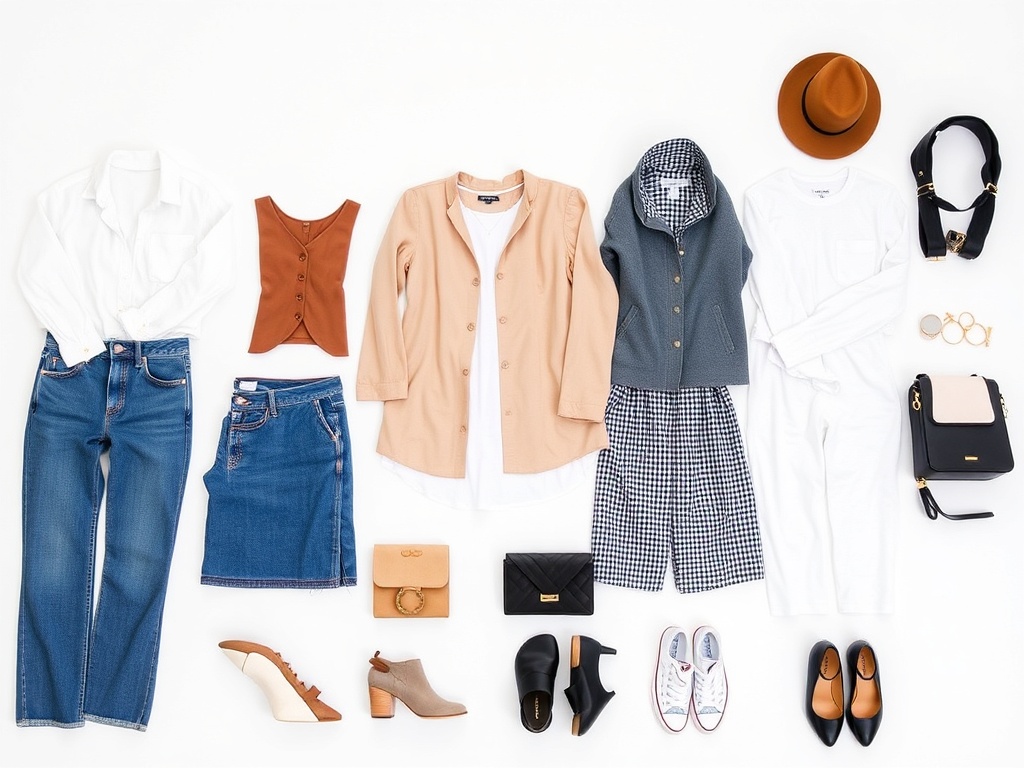
Step 8: Build Outfit Formulas (So You Don’t Think Daily)
People with great style aren’t reinventing outfits every morning. They’re repeating formulas.
Examples:
- Jeans + tee + blazer
- Trousers + knit + sneakers
- Dress + jacket + boots
Once you have 5–7 go-to formulas, getting dressed becomes automatic.
Step 9: Edit Seasonally (Not Emotionally)
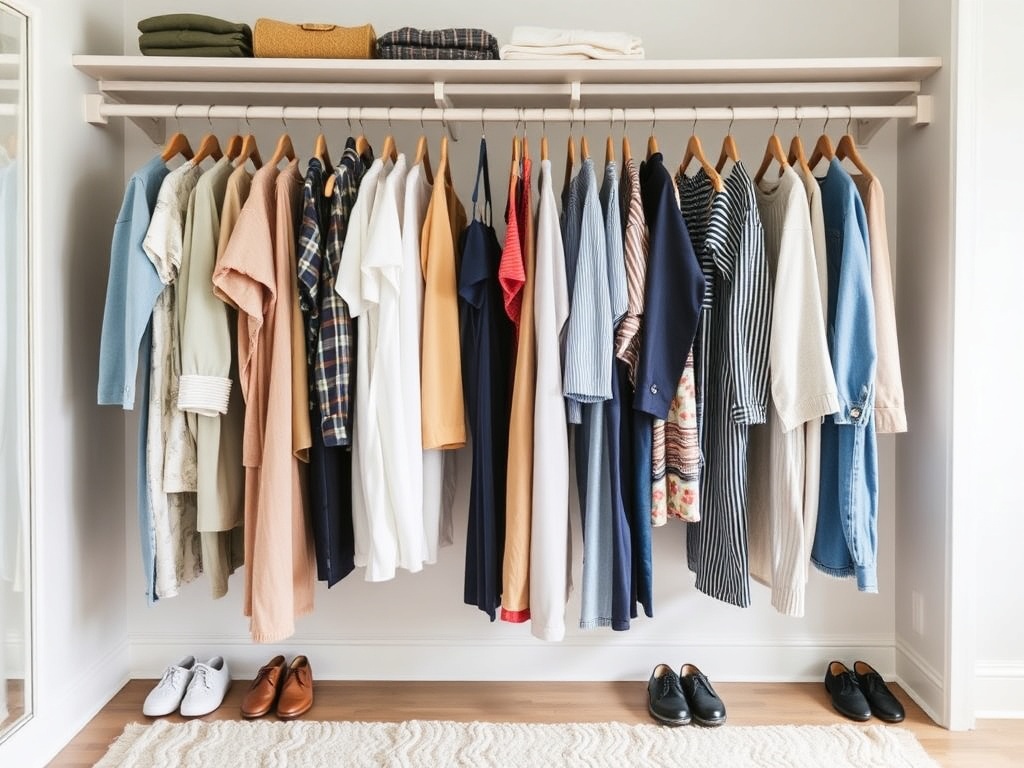
Every 3–4 months, reassess. Remove what you didn’t wear. Add only what fills real gaps.
Don’t keep items just because you spent money on them. That money is gone—the space in your wardrobe doesn’t have to be.
Step 10: Accept That “Perfect” Doesn’t Exist
Your capsule wardrobe will evolve. Your taste changes. Your lifestyle shifts.
The goal isn’t perfection—it’s clarity. Fewer decisions, better outfits, and no regret buys.
That’s the difference between a closet you manage and one that actually works for you.
Steps
- 1
Audit Your Current Wardrobe
- 2
Define Your Lifestyle Needs
- 3
Choose a Color Palette
- 4
Build Core Pieces
- 5
Use the 3 Outfit Rule
- 6
Prioritize Fabric and Fit
- 7
Limit Statement Pieces
- 8
Create Outfit Formulas
- 9
Edit Seasonally
- 10
Accept Imperfection