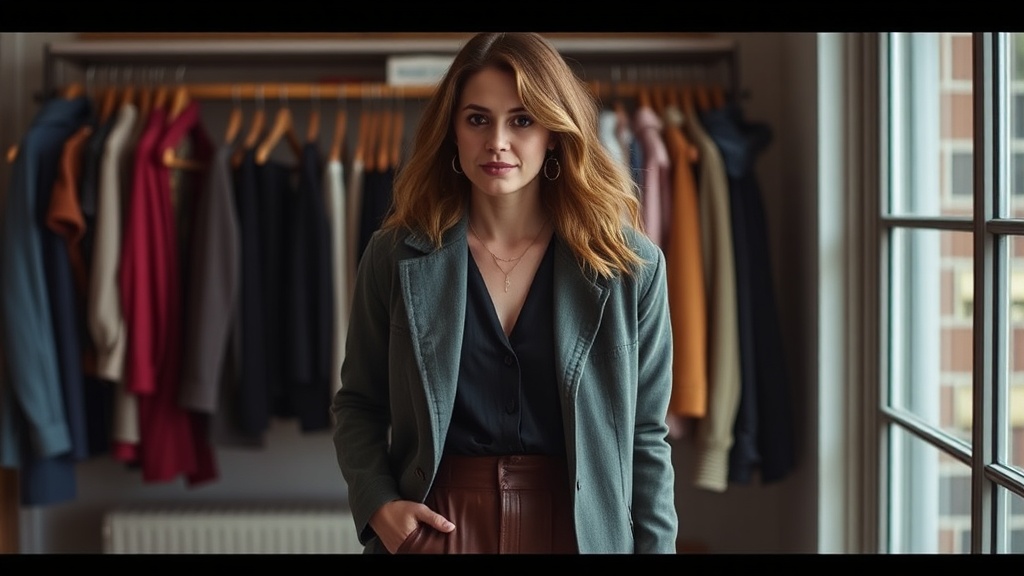
Building a Capsule Wardrobe with Thrifted Finds

You'll learn how to select high-quality pieces from secondhand stores to build a functional, minimal wardrobe that lasts. This guide breaks down the specific steps for auditing your current closet, identifying high-quality fabrics, and sourcing specific items that work together through thrifted finds.
Building a capsule wardrobe via thrifting isn't just about saving money—it's about finding better quality than what's currently sitting on fast-fashion racks. You're looking for durability and timelessness. Most people fail at this because they shop for individual "cool" items rather than pieces that actually coordinate. That's the mistake we're avoiding here.
What are the best fabrics to look for when thrifting?
The best fabrics to look for are natural fibers like silk, wool, linen, and organic cotton. These materials are durable, breathable, and tend to age much better than synthetic blends. When you're digging through a bin at a local thrift shop, check the care tag immediately. If a garment is 100% polyester, it might not hold its shape or breathe well—even if it looks great on the hanger.
Natural fibers have a specific weight and drape that synthetics just can't mimic. For example, a 100% silk blouse will feel completely different than a polyester satin top. You'll notice the difference in how the light hits the fabric and how it moves with your body. Look for these specific materials to ensure your capsule pieces actually last years.
- Wool: Look for Merino or Cashmere for warmth and longevity.
- Cotton: Seek out heavy-weight cotton for tees and button-downs.
- Linen: Great for summer pieces; it gets softer with every wash.
- Silk: The gold standard for elevated, lightweight layering.
One thing to watch out for? Synthetic blends can sometimes be a good thing if they add a bit of stretch to a rigid fabric, but don't let a "blend" trick you into buying something that will pill after two wears. (I've learned this the hard way with several "soft" acrylic sweaters.)
To understand more about textile standards, you can research textile properties and classifications on Wikipedia to see how different weaves function. Understanding the science of what you're wearing makes you a much sharper shopper.
How do I build a capsule wardrobe from scratch?
To build a capsule wardrobe from scratch, you must first define a color palette and then source foundational pieces that can be mixed and matched. You can't just buy random items and hope they work together. A successful capsule relies on a cohesive set of colors—usually a mix of neutrals and one or two accent colors—to ensure every top works with every bottom.
Start by auditing what you already own. Don't throw everything out, but be honest about what you actually wear. If you have a pair of Levi's 501 jeans that you love, that's a foundation. Your goal is to find thrifted versions of the "missing links" in your style. If you have great trousers but no good sweaters, focus your thrift trips on knitwear.
Here is a sample framework for a 15-piece seasonal capsule:
- Outerwear: One heavy wool coat and one light denim or utility jacket.
- Tops: Two basic tees, one silk blouse, and one button-down shirt.
- Knitwear: One chunky sweater and one lightweight cardigan.
- Bottoms: One pair of denim, one pair of tailored trousers, and one skirt.
- Shoes: One pair of versatile boots and one pair of daily sneakers.
The catch? You have to be patient. You won't find the perfect vintage 100% wool blazer on your first trip to the thrift store. It takes multiple trips to build a collection that actually feels intentional.
The "Rule of Three" for Thrifted Shopping
Before you head to the register, ask yourself if the item can be worn in at least three different ways with what you already own. If a skirt only works with one specific top, leave it. It’s a single-use item, and that’s the opposite of what a capsule wardrobe is designed to do. You want versatility, not just a "good deal."
I often use the "Rule of Three" to vet my purchases. If I see a beautiful vintage piece from a brand like Patagonia or a high-end designer, I mentally pair it with my existing jeans, my existing skirt, and my existing trousers. If it doesn't work with all three, it stays on the rack.
How much does a thrifted capsule wardrobe cost?
A thrifted capsule wardrobe typically costs significantly less than buying new, often costing between $200 and $500 for a full seasonal rotation. The total cost depends entirely on your local thrift-to-luxury ratio and how much time you are willing to spend searching. While a high-end thrift store might charge more for designer labels, your average local shop will offer much lower price points.
| Item Category | Average Thrift Price (Budget) | Average Thrift Price (Mid-Range) |
|---|---|---|
| Basic Tees/Tanks | $3 - $7 | $8 - $15 |
| Denim/Jeans | $10 - $20 | $25 - $45 |
| Outerwear (Wool/Denim) | $20 - $40 | $50 - $80 |
| Silk/High-End Blouses | $12 - $25 | $30 - $60 |
The math is simple: if you're buying 15 pieces at an average of $15 each, you've built a whole season's worth of outfits for $225. Compare that to the cost of buying a new, high-quality capsule from a brand like Everlane, and the savings are massive. Just keep in mind that "cheap" doesn't always mean "good value" if the item is in poor condition.
Always check the seams and the underarms of any garment you find. I've seen many people buy a beautiful vintage wool coat only to realize at home that there's a small tear in the lining. Inspect the hardware—zippers, buttons, and snaps—too. If the zipper is stuck or missing teeth, you're looking at an extra trip to the tailor, which eats into your savings.
"A capsule wardrobe isn't about having less; it's about having more of what you actually love and use."
It’s a mindset shift. You're moving away from the dopamine hit of a cheap, fast-fashion purchase and moving toward the satisfaction of finding a high-quality, long-lasting piece of clothing. It’s a much more rewarding way to shop.
When you're out there, don't be afraid to look in the "wrong" sections. A great oversized men's button-down can make a perfect tunic for a woman, and men's denim is often more durable. Breaking out of the standard shopping habits is part of the fun—and the secret to a truly unique wardrobe.
If you're ready to start, go through your closet today. Pick out your five favorite items and see what's missing to make them work. That's your shopping list for your next thrift trip.
Steps
- 1
Define Your Personal Aesthetic
- 2
Identify High-Quality Fabrics
- 3
Source Neutral Base Layers
- 4
Add Texture and Character